
Lift Every Voice Conference 2026
On September 17th-19th, at Legacy Plaza, Soaring Eagles Youth and Family Services warmly invites you to the Lift Every Voice Multicultural Mental Health Conference — a transformative Oklahoma BBHL and SBLSW-approved three-day experience dedicated to education, empowerment, and healing.
Our goal is to equip clinicians, educators, and community leaders with culturally responsive tools to better serve diverse populations, grounded in the belief that healing happens when understanding begins.
Over three days, clinicians, therapists, mental health professionals, and students will listen, learn, and lead through:
Keynote presentations spotlighting multicultural perspectives
Interactive workshops on cross-cultural communication and inclusive assessment
Collaborative forums where underrepresented voices guide best practices
You’ll gain actionable strategies to deliver culturally sensitive care, broaden your clinical lens, and strengthen your cross-cultural connections. Plus, enjoy networking opportunities and deep-dive case studies designed to elevate your practice.
Registration Options are available online for one or both days. Approved CEUs are included.
Through this hybrid in-person and virtual conference, attendees can earn up to 20 Hours (including 3 ethics hours), all of which will be valid CEU Hours for LMFTs, LPCs, and Social Workers!
Don’t miss your chance to join Tulsa’s leading mental health community - registration is open now!
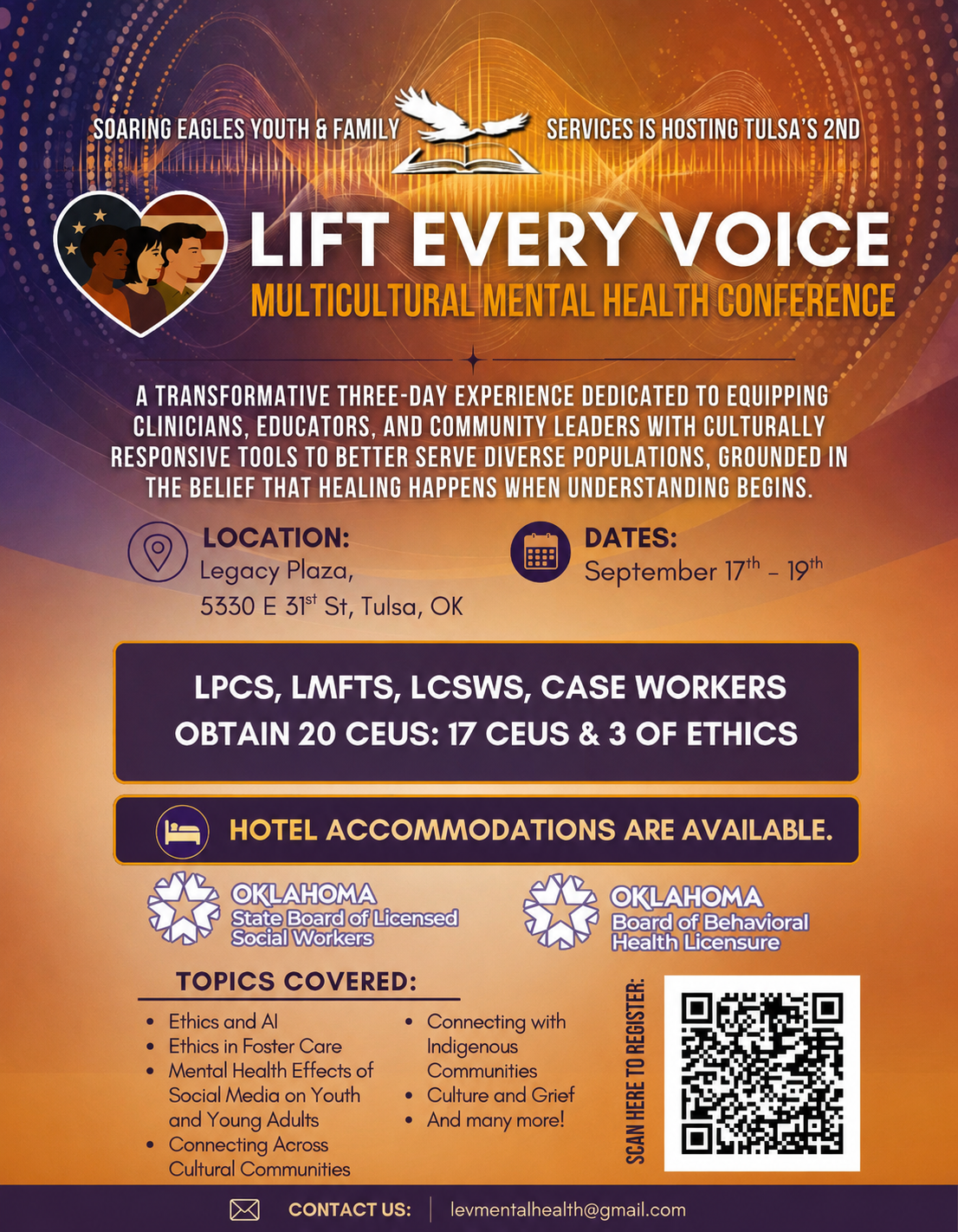
Additionally, if you require a hotel room, a link to a group discount is provided in your Confirmation Email. ROOMS ARE LIMITED. OFFER IS FIRST COME FIRST SERVE.
Please note that for In-Person Attendance, food is not provided with the initial price. A $20/day fee may be added if food is desired/required. All purchases for this event are final and cannot be refunded.


Schedule of Events
THURSDAY
SEPTEMBER 17, 2026
8:00 AM - 9:00 AM
REGISTRATION →
8:45 AM - 9:00 AM
OPENING WORDS
9:00 AM - 10:30 AM
ETHICS
CREATING SAFE HAVENS: ETHICAL CHALLENGES OF FOSTER CARE
Latricia Taylor Essandoh
10:45 AM - 11:30 AM
WHAT I SEE FROM BOTH SIDES: FEAR, FAMILY, AND MENTAL HEALTH IN IMMIGRATION TODAY
Brenda Cristela Lozano, Esq.
11:30 AM - 11:45 AM
LUNCH BREAK & NETWORKING
11:45 AM - 1:00 PM
NEUROFEEDBACK EDUCATION
Shereen Santos, LPC-C, BSN &
Kearan Premdev, LPC-C
1:15 PM - 2:15 PM
CONCURRENT SESSIONS:
HEALTH RELATED SOCIAL NEEDS: UNDERSTANDING BARRIERS TO HELP INDIVIDUALS THRIVE
A NEW ENVIRONMENT: HOW PEOPLE PROCESS AND ADAPT TO NEW CULTURES
Stephen MatticaBRIDGING WORLDVIEWS: CLINICAL WORK WITH NON-WESTERN UNDERSTANDINGS OF MENTAL DISTRESS
Robert Lee Wild
2:30 PM - 3:30 PM
CONCURRENT SESSIONS:
UNDERSTANDING HOW MICROAGGRESSIONS INFLUENCE IDENTITY DEVELOPMENT IN DIVERSE YOUTH
Leah Phillips, PhD, LP, LSP
3:45 PM - 4:45 PM
CONCURRENT SESSIONS:
INDIAN TERRITORY FREEDMEN’S TRAUMA
Eli GraysonMORE ABOUT AFGHAN AND MIDDLE EAST CULTURES
Elham Kucirek
4:45 PM - 5:00 PM
CLOSING REMARKS
FRIDAY
SEPTEMBER 18, 2026
8:00 AM - 9:00 AM
REGISTRATION →
8:45 AM - 9:00 AM
OPENING WORDS
9:00 AM - 10:30 AM
WHEN AI GETS IT WRONG: PROTECTING CLIENTS OF COLOR IN THE AGE OF ARTIFICIAL INTELLIGENCE
Dr. Ariesha Murray
10:45 AM - 12:00 PM
CULTURALLY RESPONSIVE LEADERSHIP: STRENGTHENING CONNECTIONS ACROSS COMMUNITIES
Bishop Gary McIntosh
12:00 PM - 12:15 PM
LUNCH BREAK & NETWORKING
12:15 PM - 1:00 PM
CLINICIAN CAPACITY UNDER PRESSURE: INTERNAL PATTERNS AND CULTURAL RESPONSIVENESS IN CLINICAL WORK
Catrina Labrie
1:15 PM - 2:15 PM
CONCURRENT SESSIONS:
ADAPTING TO CHANGE FOR MILITARY FAMILIES
Glen GatlingPERMISSION TO SCREAM
Gina Wilson
2:30 PM - 3:30 PM
CONCURRENT SESSIONS:
REAL WORLD VIEW OF PIMPS AND THEIR VICTIMIZATION TACTICS
Dr. Nissi HamiltonTHE INVISIBLE NARRATIVES WE CARRY: CULTURAL HUMILITY BEYOND CHECKLISTS AND ASSUMPTIONS
Malisa Hepner
3:45 PM - 4:45 PM
CONCURRENT SESSIONS:
4:45 PM - 5:00 PM
CLOSING REMARKS
SATURDAY
SEPTEMBER 19, 2026
8:00 AM - 9:00 AM
REGISTRATION →
8:45 AM - 9:00 AM
OPENING WORDS
9:15 AM - 10:15 AM
CONCURRENT SESSIONS:
10:30 AM - 11:30 AM
CONCURRENT SESSIONS:
NO SABO: WORKING WITH HISPANIC AND LATINO FAMILIES
Stephen MatticaCULTURAL ISSUES WHEN WORKING WITH RUSSIAN AND UKRAINIAN CLIENTS
Dr. Julia Campbell
11:30 AM - 12:00 PM
LUNCH BREAK & NETWORKING
12:00 PM - 12:15 PM
WORDS OF WISDOM ACROSS CULTURE, UNITED BY OUR STORIES
Pastor John Rials
12:30 PM - 1:30 PM
CONCURRENT SESSIONS:
RECOVERING FROM BREAST CANCER
Karen IversonWORKPLACE FITS
Gina Wilson
1:30 PM - 2:00 PM
CLOSING REMARKS
Keynote Speakers | Day 1
THURSDAY, SEPTEMBER 17
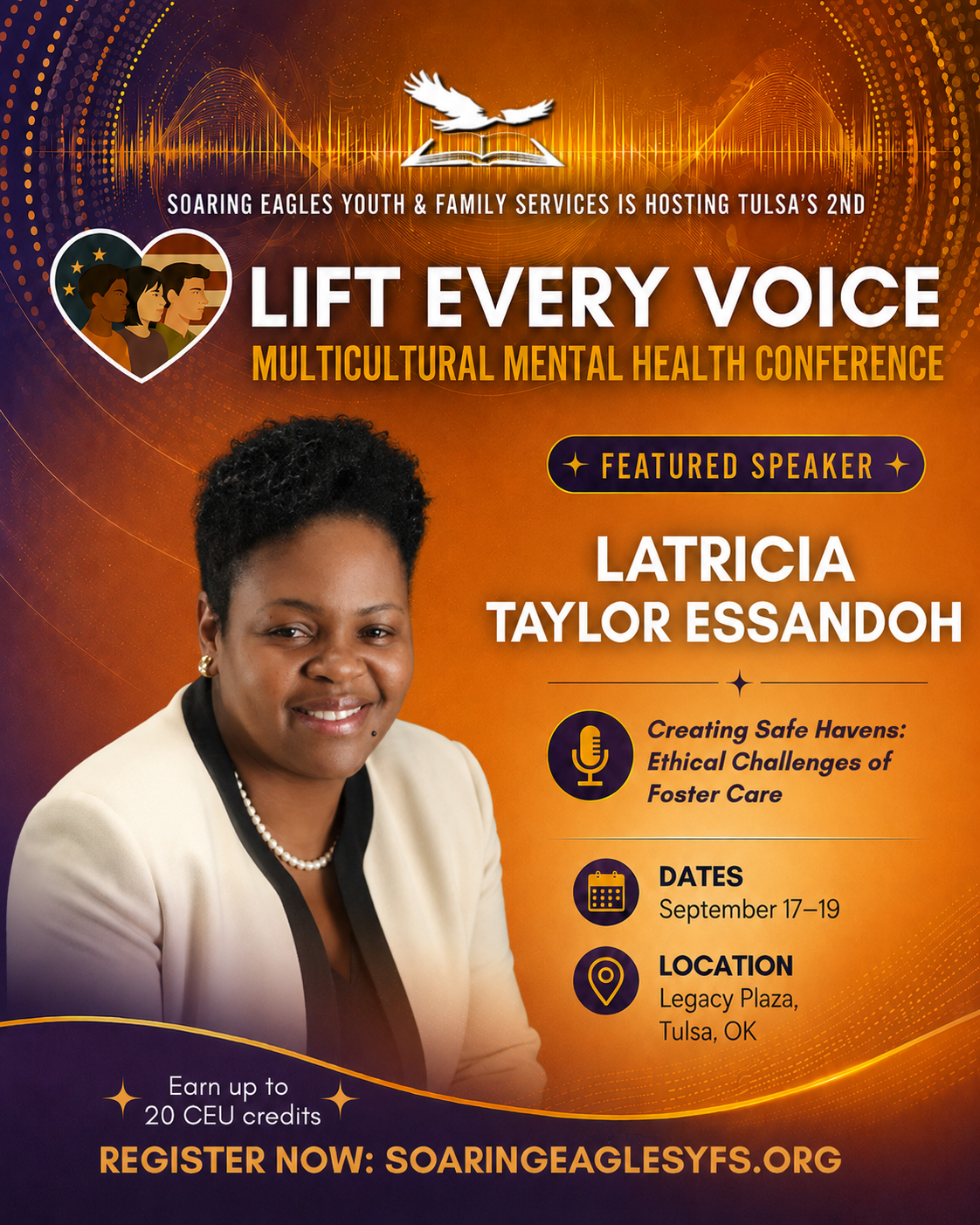
CREATING SAFE HAVENS: ETHICAL CHALLENGES OF FOSTER CARE
LATRICIA TAYLOR ESSANDOH
This workshop is designed to help create safe spaces for children in the foster care system. It aims to support both professionals working within the system and individuals fostering children, raising awareness about the ethical considerations that influence the ongoing processes involved in fostering.
Workshop Objectives:
Gain an understanding of the benefits and challenges of working with at-risk youth, including common risk factors and systemic barriers.
Learn the importance of relationships grounded in ethics for offering support, guidance, and effective mentoring to high-risk youth.
Encourage discussion on risk factors and systemic issues that create ethical challenges, helping participants better understand the complexities of supporting at-risk youth.
Access and utilize valuable resources to reduce barriers and enhance the effectiveness of youth intervention strategies.
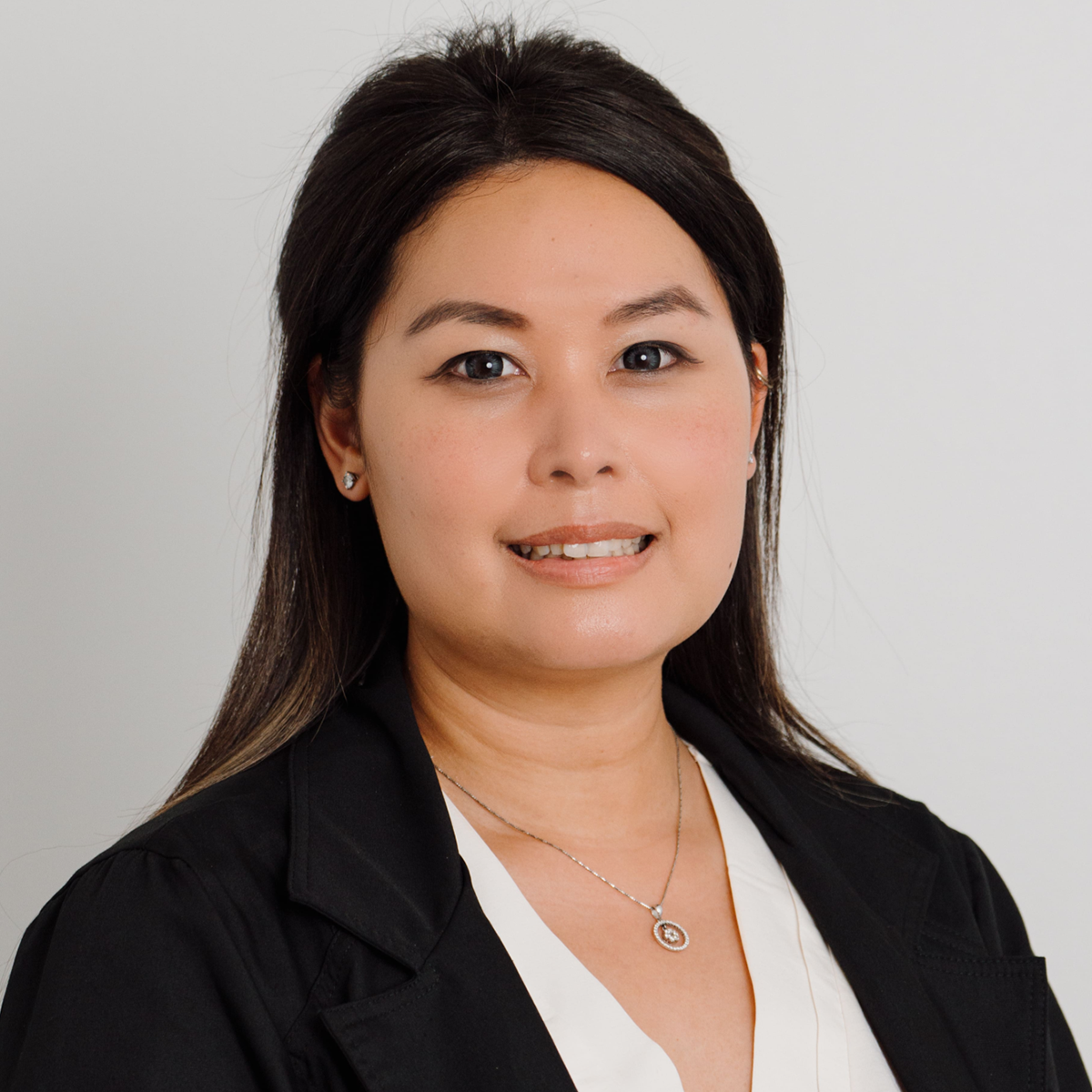
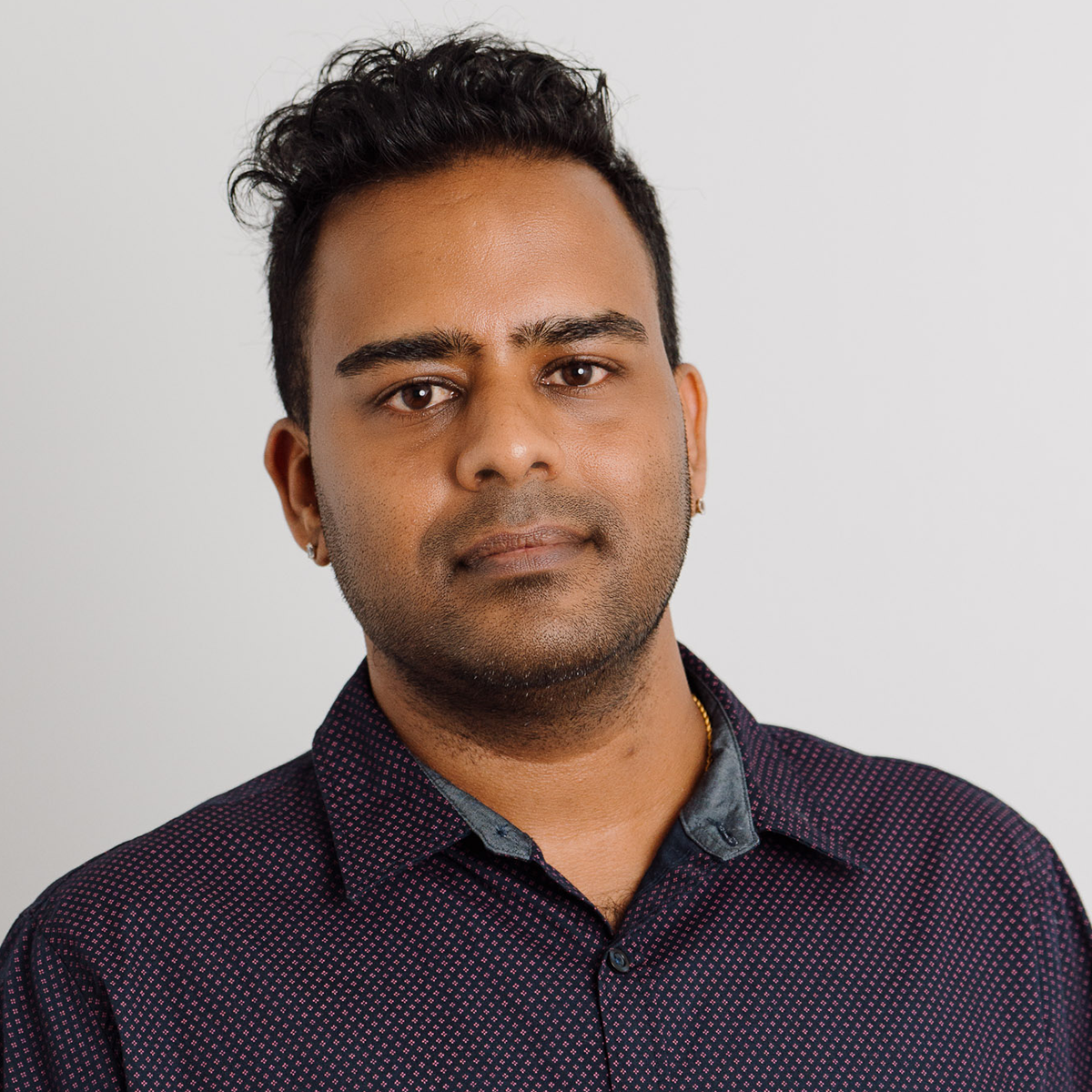
NEUROFEEDBACK EDUCATION
SHEREEN SANTOS, LPC-C, BSN &
KEARAN PREMDEV, LPC-C
The hardest wounds to heal are the ones that are hidden. Unaddressed effects of trauma can have far-reaching consequences on a person's biology and belief system. This presentation is aimed to provide a general understanding of Trauma, the effects it has on the mind and brain, and ways to heal. Trauma-focused therapeutic modalities, including EMDR and neurofeedback, will be discussed.
Keynote Speakers | Day 2
FRIDAY, SEPTEMBER 18
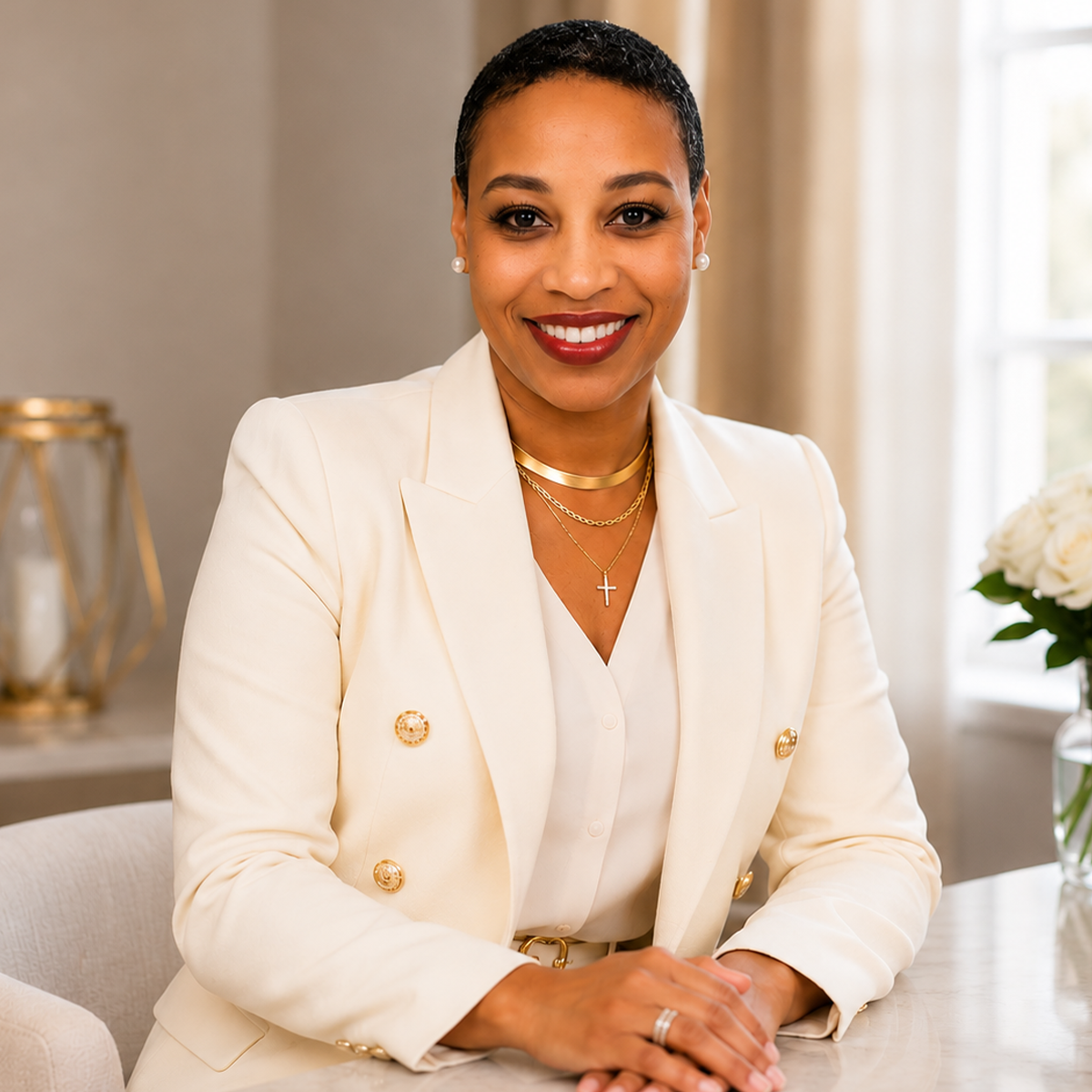
WHEN AI GETS IT WRONG: PROTECTING CLIENTS OF COLOR IN THE AGE OF ARTIFICIAL INTELLIGENCE
DR. ARIESHA MURRAY
This session is a clinical ethics training built for the moment we are actually in — not the future we are preparing for. AI is already here: in the apps our clients are downloading, in the documentation tools we are using, in the screening instruments being administered by systems that have never been validated on communities of color.
Dr. Murray brings a perspective that no one else in this space occupies: she is a Black woman clinician, counselor educator, and supervisory ethics practitioner who is also an active developer of AI tools designed with cultural competency at their foundation. She has built what responsible AI looks like, which means she knows exactly what irresponsible AI costs.
Participants leave this session not just with awareness, but with an ethical framework, a practical AI Bias Audit tool, and clear guidance on what their licensure boards and professional codes of ethics already require of them, even if they don’t know it yet.
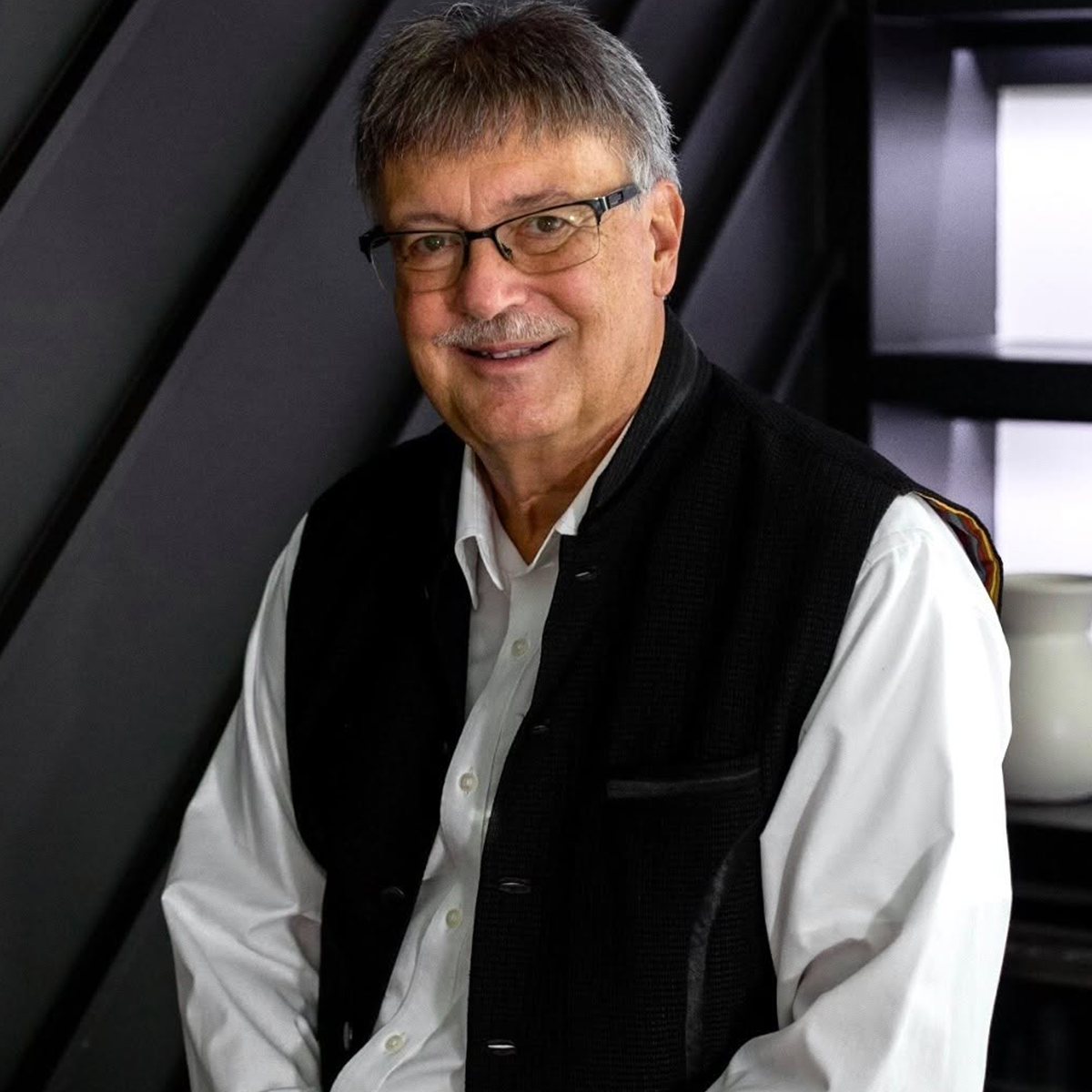
CULTURALLY RESPONSIVE LEADERSHIP: STRENGTHENING CONNECTIONS ACROSS COMMUNITIES
BISHOP GARY MCINTOSH
This engaging workshop equips therapists with culturally responsive leadership skills to effectively serve and connect with individuals, families, and communities from diverse cultural backgrounds. Participants will explore how culture, identity, values, and lived experiences influence mental health, communication, and therapeutic relationships. The session emphasizes building trust, fostering inclusivity, and developing leadership strategies that promote equity, collaboration, and meaningful community engagement.
Therapists Will Learn to:
Develop Culturally Responsive Leadership Skills
Examine how cultural humility, self-awareness, and inclusive leadership practices enhance therapeutic relationships and improve outcomes for diverse populations.
Strengthen Cross-Cultural Communication and Engagement
Identify strategies to effectively communicate, build trust, and foster authentic connections with individuals, families, and communities from varying cultural backgrounds.
Promote Equity and Community Collaboration
Apply leadership approaches that address cultural barriers, advocate for equitable mental health services, and create stronger partnerships across multicultural communities.
This workshop is ideal for therapists seeking to expand their cultural competence, strengthen their leadership capacity, and make a lasting impact within increasingly diverse communities.
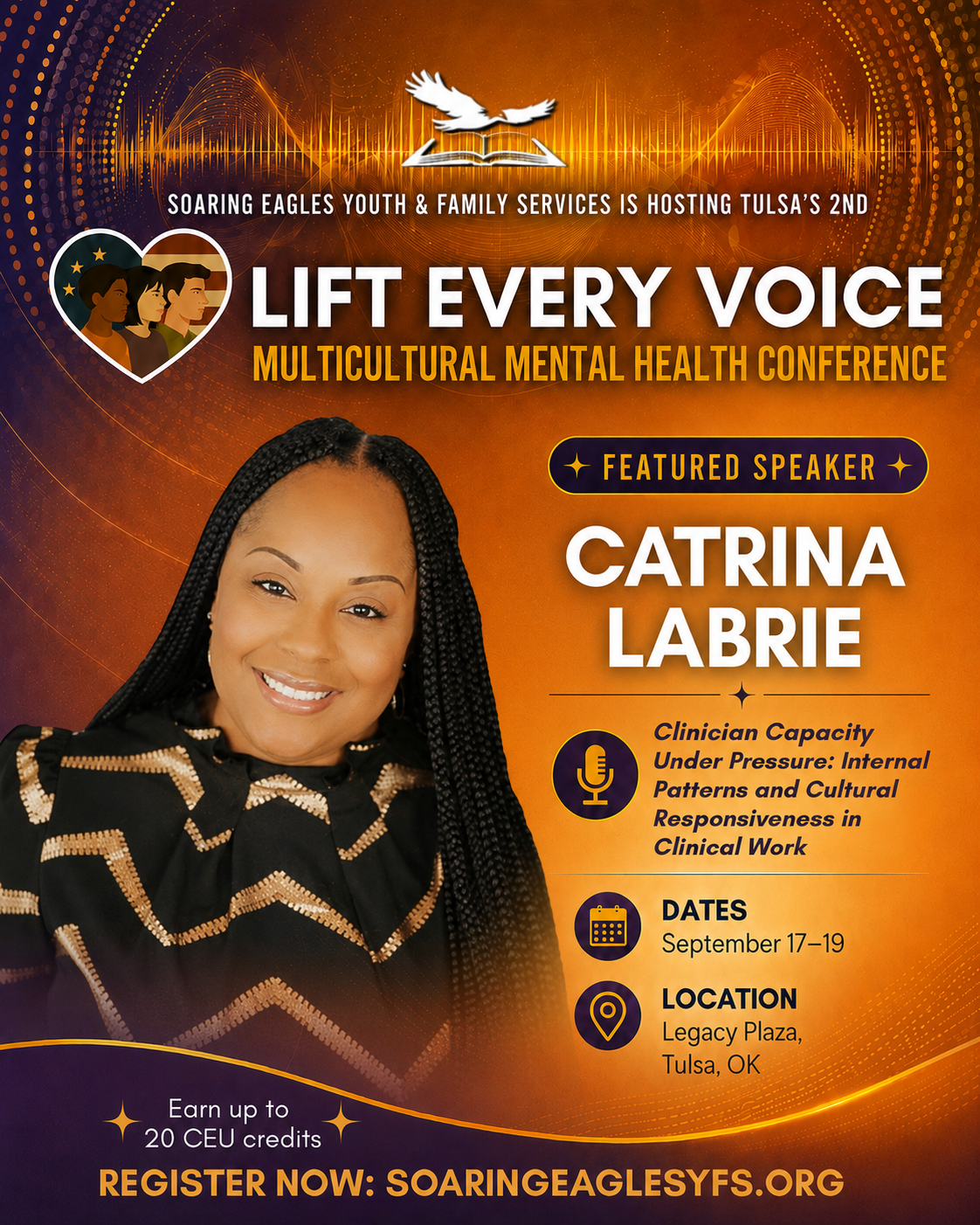
CLINICIAN CAPACITY UNDER PRESSURE: INTERNAL PATTERNS AND CULTURAL RESPONSIVENESS IN CLINICAL WORK
CATRINA LABRIE
This 60-minute training explores how clinician internal patterns, nervous system responses, and capacity directly influence clinical presence, decision-making, and responsiveness in therapeutic work. While clinicians are often trained in interventions and techniques, less attention is given to how their internal state shapes the therapeutic process in real time.
This session helps participants identify common automatic responses such as urgency, over-functioning, emotional withdrawal, and cognitive narrowing that can emerge under clinical pressure. These patterns can significantly impact the clinician’s ability to remain present, especially in culturally complex clinical situations.
Through structured reflection and applied frameworks, participants will learn how to recognize their internal responses as they arise and understand how these responses influence relational dynamics in the therapy room. The training emphasizes awareness, regulation, and intentional responsiveness as foundational elements of effective clinical work.
Breakout Sessions | Day 1
THURSDAY, SEPTEMBER 17
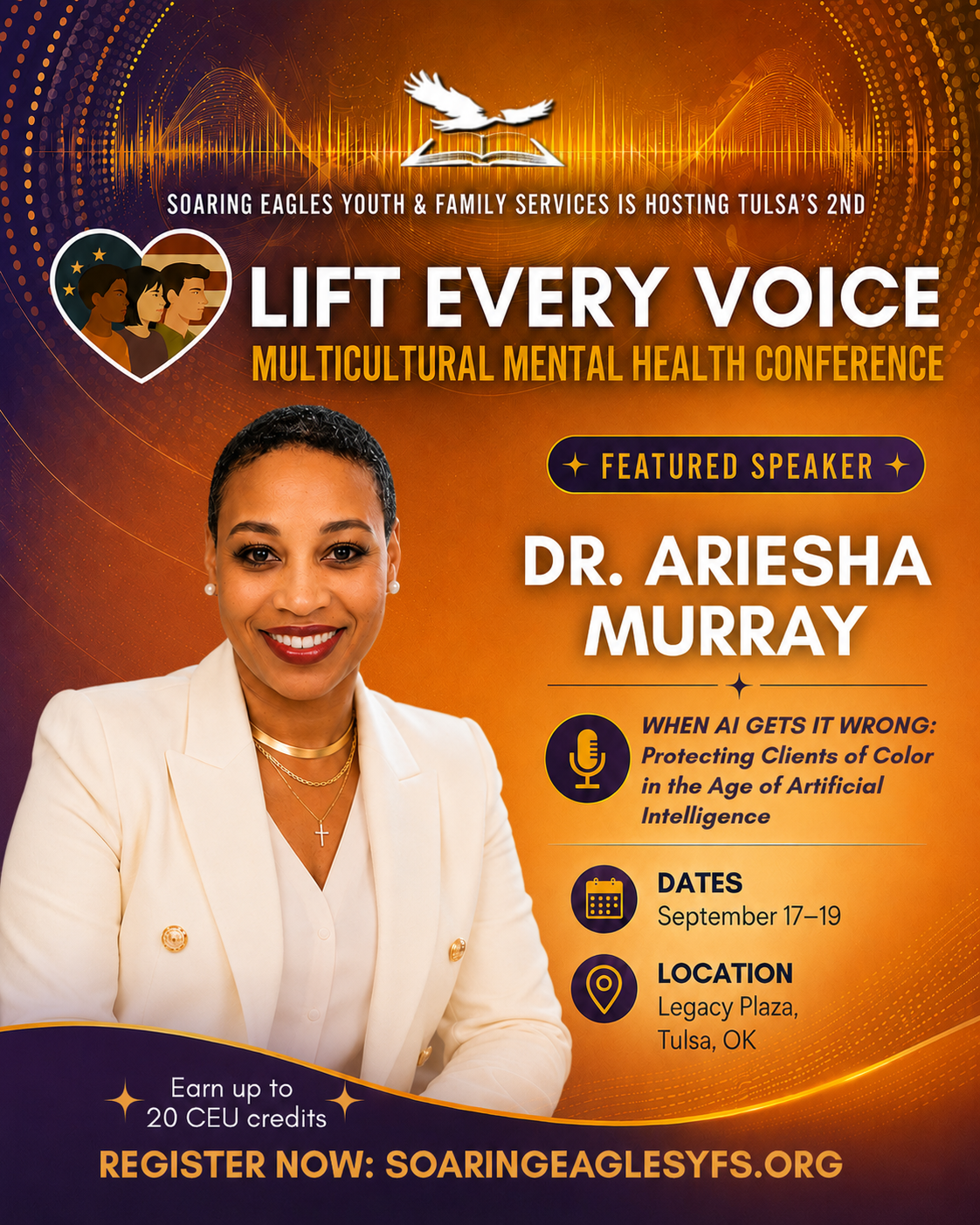
SCROLLING THROUGH THE PAIN: THE EFFECTS OF SOCIAL MEDIA ON MENTAL HEALTH ACROSS CULTURES IN GEN Z AND GEN ALPHA
DR. ARIESHA MURRAY
Gen Z and Gen Alpha have never known a world without social media — and the mental health data is telling a story that clinicians, educators, and communities can no longer afford to ignore. But the impact of social media is not culturally neutral. Algorithm bias, online racial trauma, digital code-switching, and community surveillance create unique stressors for young people of color that standard frameworks fail to capture.
This session brings clinical research into conversation with cultural reality. Dr. Murray equips attendees to understand, assess, and respond to social media's mental health impact through a multicultural lens — providing practical tools for clinicians working with youth, as well as strategies for educators and community leaders building protective factors into their schools and organizations.
Upon completion of this session, participants will be able to:
Identify the primary mental health outcomes associated with social media use in youth and young adults, including anxiety, depression, and body image disturbance
Analyze how race, culture, and socioeconomic status shape the social media experience for Gen Z and Gen Alpha youth of color
Recognize clinical presentations tied to problematic social media use, including digital trauma and online racial harassment
Apply multicultural, developmentally appropriate clinical strategies to address social media-related mental health concerns
Equip families, schools, and communities with culturally informed prevention and psychoeducation tools drawn from evidence-based intervention frameworks
Dr. Murray speaks to this topic not only as a clinician and educator, but as an innovator. She is the founder of BridgeMind™, a culturally informed pediatric screen time intervention platform designed to equip clinicians, families, and schools with structured tools for navigating technology's impact on child and adolescent mental health. The frameworks presented in this session are drawn directly from the clinical architecture behind BridgeMind™.
Breakout Sessions | Day 2
FRIDAY, SEPTEMBER 18
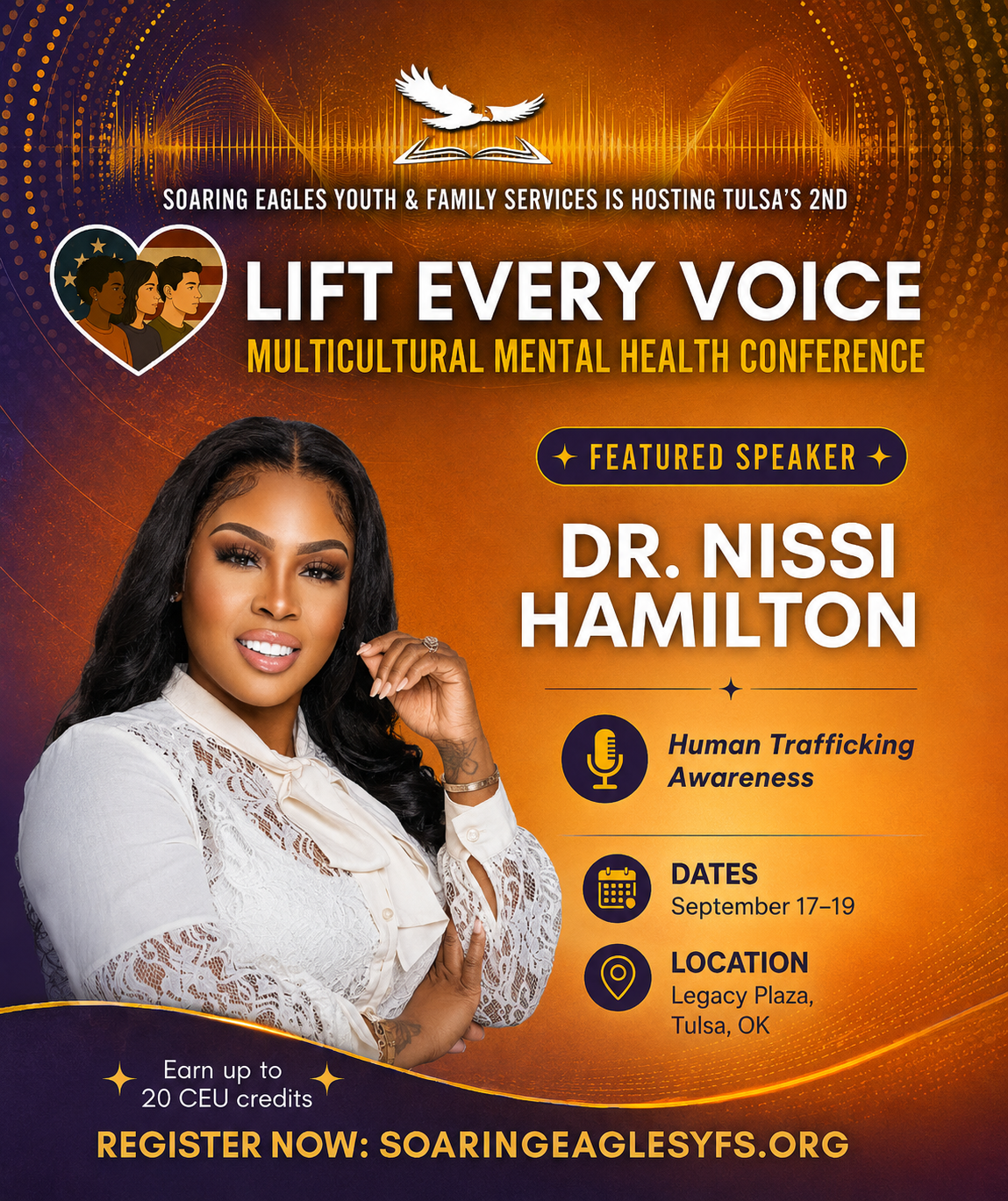
HUMAN TRAFFICKING AWARENESS
DR. NISSI HAMILTON
This session exposes the complex, evolving reality of human trafficking—from grooming, coercion, and family betrayal to online recruitment and digital exploitation. Participants will learn how traffickers use social media, false job offers, and emotional manipulation to target vulnerable youth, with victims exploited for sex, labor, domestic servitude, organ removal, and even forced criminal activity.
The workshop will outline practical strategies for prevention, intervention, and survivor recovery, emphasizing how to recognize red flags in homes, schools, and online spaces; how to respond in a trauma-informed, victim-centered way; and how communities can work with law enforcement, technology platforms, and service providers to hold traffickers accountable. This session is designed for parents, educators, faith leaders, youth workers, and community members who want concrete tools to protect those at risk and support survivors on their path to healing and justice.
2026 Speakers
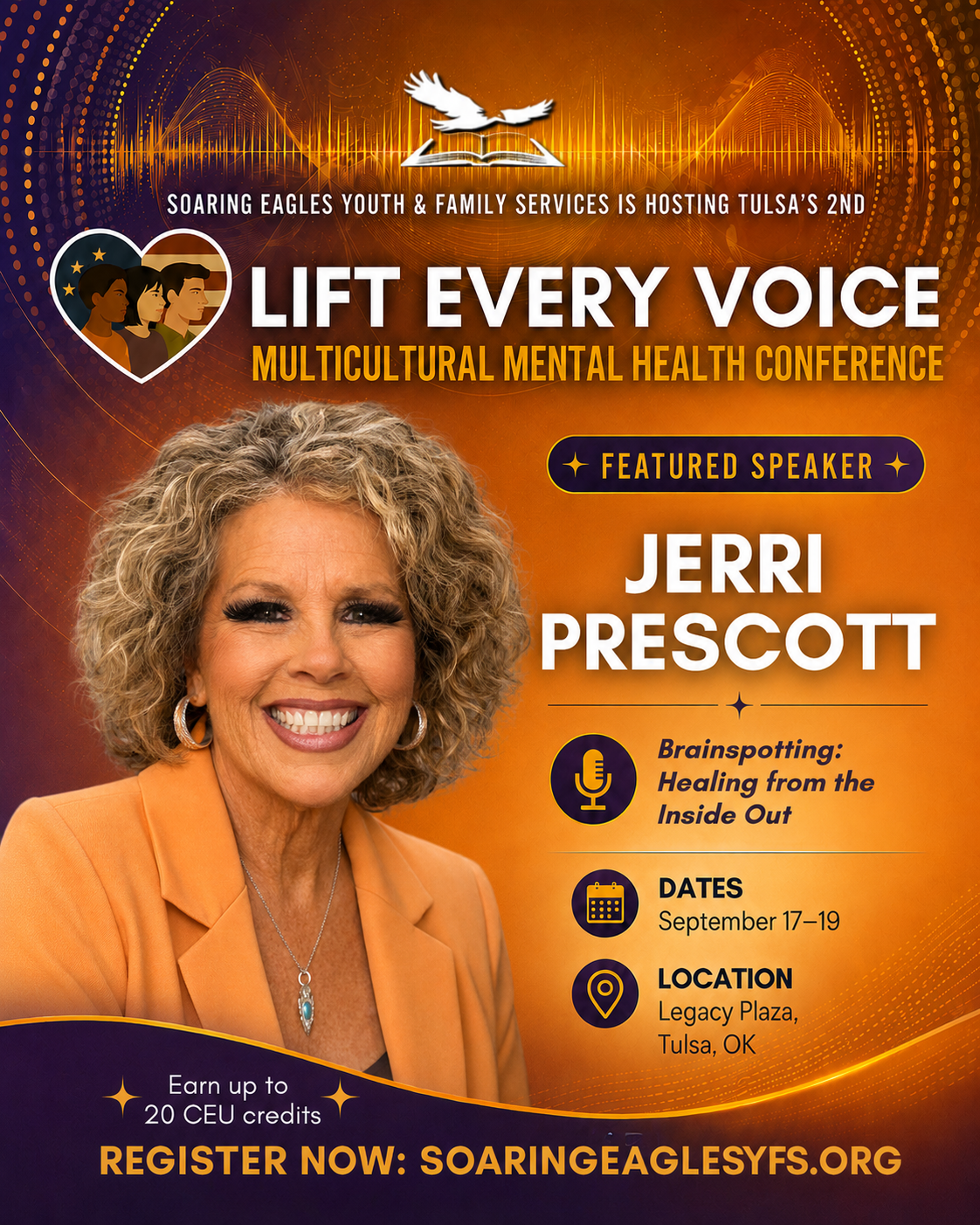
BRAINSPOTTING: HEALING FROM THE INSIDE OUT
JERRI PRESCOTT
Brainspotting is a powerful brain–body therapy that helps uncover and release unprocessed trauma stored deep within the nervous system. Rooted in the understanding that “where you look affects how you feel,” Brainspotting provides access to areas of the brain where emotional pain, trauma, stress, and survival responses are often held beyond conscious awareness. This introduces participants to the science, theory, and experiential components of Brainspotting while emphasizing multicultural awareness, diversity-informed care, and the importance of culturally responsive healing practices. Participants will explore the connection between trauma, the nervous system, and the body while learning how culture, identity, family systems, spirituality, grief, historical trauma, and systemic experiences influence emotional well-being and healing. The conference will provide an engaging and experiential learning environment through presentations, demonstrations, reflective discussion, focused mindfulness exercises, and practical applications.
Attendees will gain a deeper understanding of how Brainspotting can support healing from trauma, reduce anxiety, ease symptoms of PTSD, assist with grief recovery, and improve emotional regulation. Additional applications will include working with medical stress, chronic pain, relationship conflict, performance issues, and everyday emotional struggles. Special attention will be given to multicultural considerations in trauma treatment, including creating safe and attuned healing spaces for diverse populations. Participants will explore how cultural humility, attunement, and nervous system awareness can strengthen therapeutic relationships and support more effective and inclusive care.
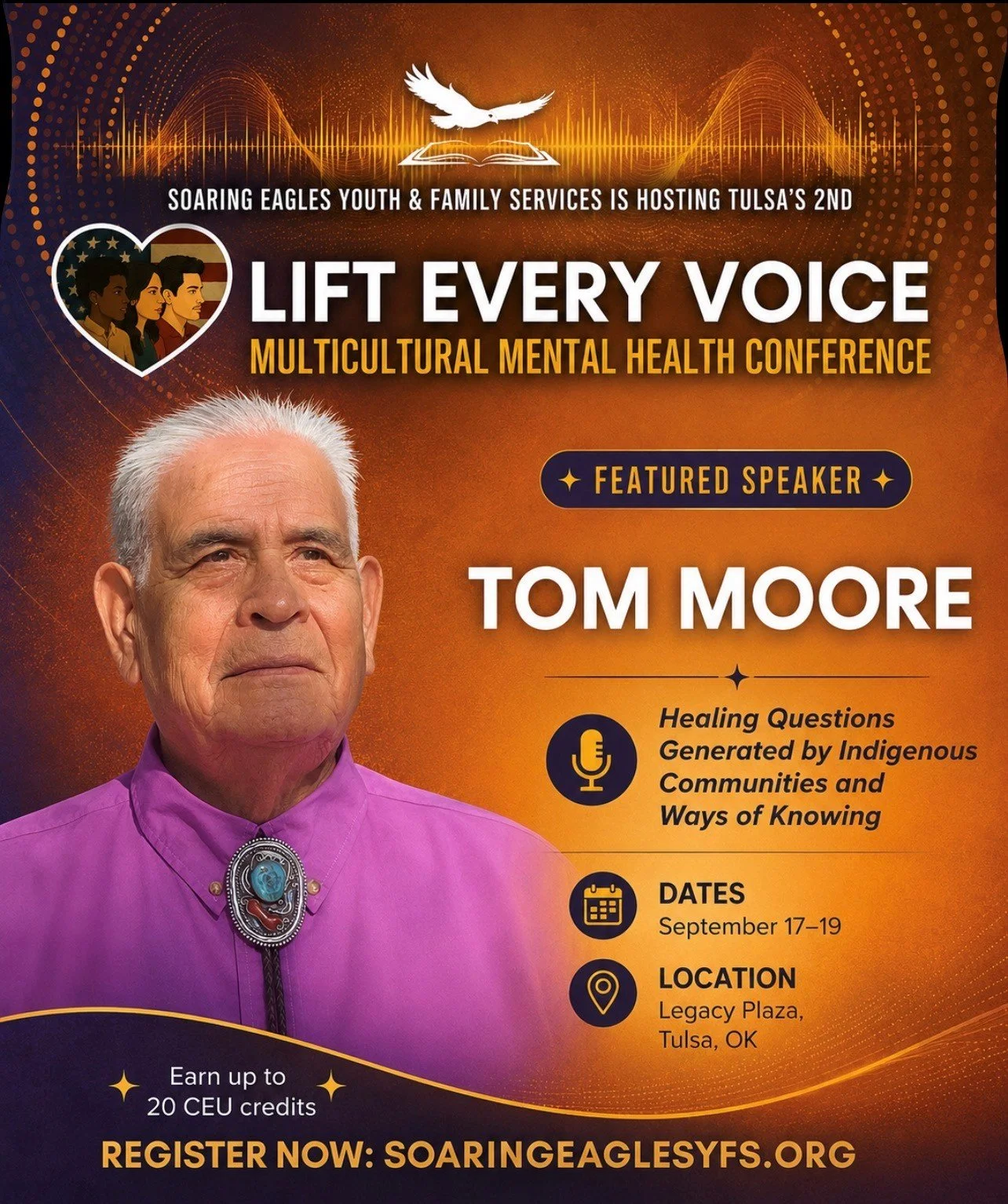
HEALING QUESTIONS GENERATED BY INDIGENOUS COMMUNITIES AND WAYS OF KNOWING
TOM MOORE
The presentation will offer key insights gleaned from the presenter’s experience as a therapist, pastor, enrolled member of the Chickasaw Nation, and descendant of the Choctaw and Ojibway Tribes and a guest in various indigenous communities in the United States. Through discussion of selected questions, the presentation will touch on the following consepts: (a)to count as relatives people who face challenges in daily life, (b) a prospective of intentional maturationacross life span, (c)communal life, (d) embodying and passing on wisdom, (e) considerations of prayers of our ancestors, (f) living out prayers of past generations and (g) intentional prayers for those who follow.
Takeaways for Attendees:
The possibilities for cross cultural learning in an environment that investigates our own stories, histories and relationships within our own cultures.
Considerations of our own ancestral anchors that can help us strike a balance between the autonomous individual and tradition.
Openness to change through considering ourselves both as relatives and ancestors.
Passing on wisdom by considering ourselves as ancestors.
BEYOND THE DIRECT LINE: CULTURALLY CENTERED CARE FOR THE BLENDED FAMILIES
KIMBERLY REUTER
Traditional stepfamily and blended family counseling relies heavily on Western, individualistic frameworks. These models frequently pathologize families rooted in collectivistic traditions. This presentation expands clinical lenses by contrasting and connecting the unique family structures of blended families. For example, in many Native cultures, family is defined by a sacred, extended kinship system including aunts, uncles, and tribal elders. Similarly, many Asian cultures operate within deeply collectivist, multi-generational, and patrilineal structures governed by filial piety and family honor (Chemyeon). When divorce, remarriage, or cohabitation occurs within these communities, youth must navigate complex layers of expectation. This presentation examines how intergenerational trauma, migration stress, and acculturation gaps manifest as loyalty conflicts or behavioral changes in youth.
Clinicians will learn to navigate the distinct challenges of these groups, such as the shame of divorce in traditional Asian households or jurisdictional complexities in tribal communities. By understanding these diverse cultural fabrics, attendees will learn to leverage extended family systems as primary therapeutic strengths. Through interactive case studies, intersectional mapping, and evidence-based structural family therapy adaptations, this session moves beyond basic cultural awareness.
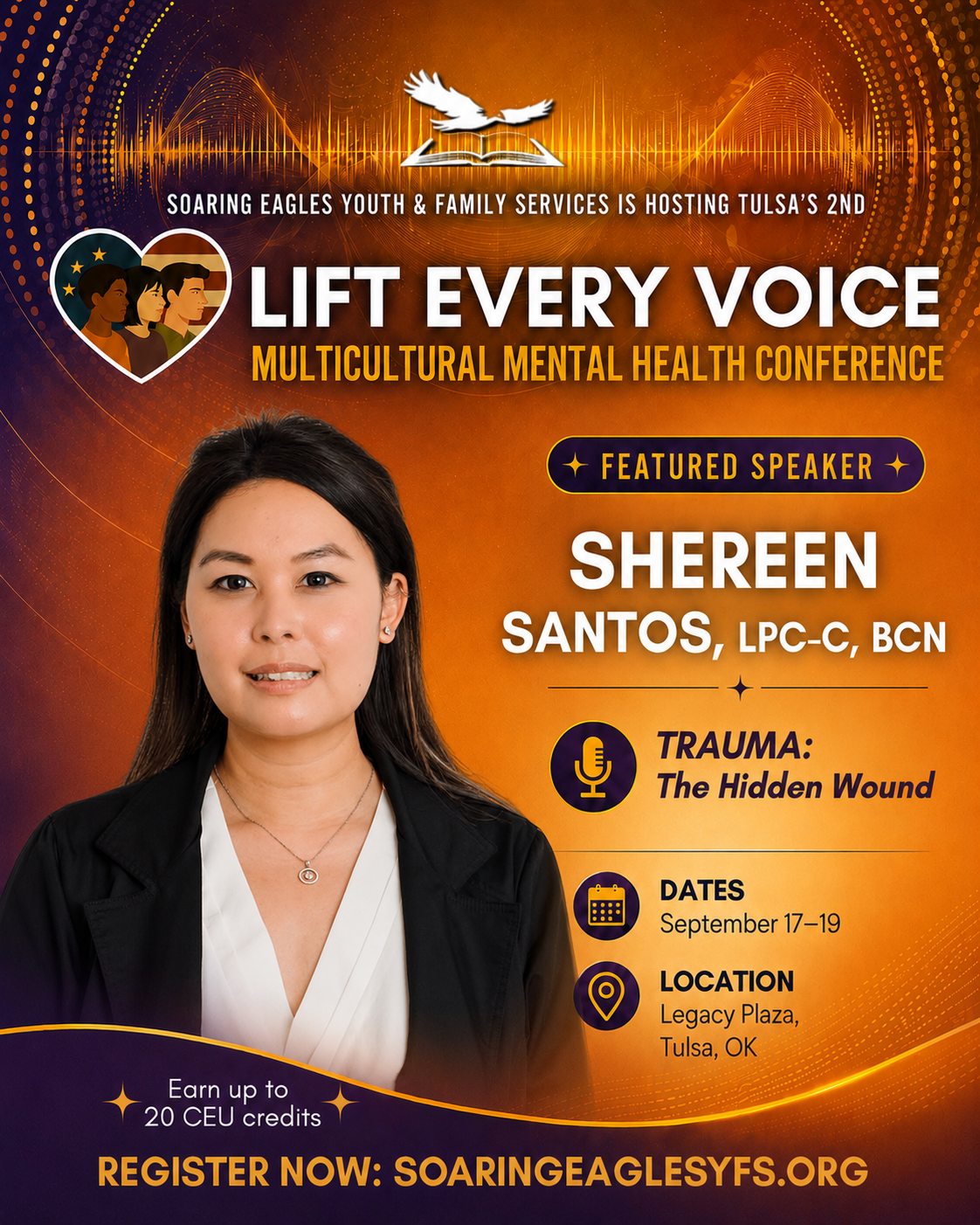
WORKING WITH ASIAN CLIENTS
SHEREEN SANTOS
This presentation explores how identity, beliefs, emotional patterns, and coping behaviors are shaped through family systems, cultural conditioning, trauma, and nervous system experiences. Participants will examine the connection between mind, body, brain, and culture, with a particular focus on the Asian American mental health experience, including stigma, collectivistic family dynamics, intergenerational trauma, and the tension between authenticity and assimilation. The training also introduces Internal Family Systems (IFS) as a culturally sensitive framework for understanding conflicting internal experiences, helping both clinicians and general audiences develop greater self-awareness, compassion, and clinical insight.
MEN & FATHERHOOD: PROTECTING YOUR LEGACY
MARQUESS DENNIS
This interactive workshop equips fathers with the mindset and tools to build a meaningful legacy consciously. Together, we’ll explore how everyday choices—how you show up in relationships, lead your home, handle stress, and even how you rest—shape the long-term impact you leave on your children, family, and community.
Through guided discussions, practical exercises, and reflection or journaling activities, participants will clarify their values, begin drafting a personal legacy plan, and receive feedback and support along the way. By the end of the session, fathers will walk away with a clearer vision of the legacy they want to protect and practical steps to start living it now.
MOVING THROUGH GRIEF
JENNY FLOWER, LPC
This presentation looks at the varied and unique reasons why we grieve and ways in which we process grief. It includes brief overviews of some cultural and religious traditions surrounding grief throughout the world.
As a group, we will reflect on the importance of knowing our clients’ cultural and religious/spiritual beliefs before delving into conversations concerning grief. We will also address how our own implicit biases surrounding grief, loss, and death can negatively impact the therapeutic relationship, especially during moments of vulnerability like when clients open up about their grief.
We will discuss ways in which we as healers and helpers can allow space for others to share openly and honestly about their losses while maintaining boundaries to protect the integrity of the professional relationship as well as our own mental health.
STRENGTHENING RESILIENCE AND CULTURAL RESPONSIVENESS: CLINICAL APPROACHES FOR SUPPORTING MILITARY FAMILIES IN MENTAL HEALTH CARE
JAMES L. PATRICK
Military families experience unique psychological, relational, and systemic stressors associated with military culture, operational tempo, deployments, reintegration, frequent relocation, caregiver burden, and exposure to trauma-related experiences. These factors may contribute to increased risks for anxiety, depression, adjustment disorders, substance misuse, family conflict, secondary traumatic stress, and barriers to treatment engagement. Effective counseling interventions therefore require clinicians to integrate multicultural competence, trauma-informed care, and culturally responsive practices when working with service members, spouses, children, and veterans.
This presentation will examine evidence-informed counseling approaches for supporting military families across clinical settings. Emphasis will be placed on understanding military culture as a distinct cultural system that shapes identity, communication patterns, coping behaviors, stigma related to help-seeking, and family functioning. Participants will explore strategies for building therapeutic rapport, assessing family-system dynamics, addressing military-related stressors, and implementing culturally attuned interventions that support resilience and psychological well-being.
SHARED LOVE, SEPARATE REALITIES: UNDERSTANDING RACE IN TRANSRACIAL FAMILY SYSTEMS
ALANDA FUSELIER & ANGELA MCINTOSH
This workshop is led by two adult sisters from a transracial adoptive family—one adopted and Black, one biological and white. They will explore how siblings in the same loving home can experience race, culture, and belonging in very different ways.
Drawing from their lived experiences, they will discuss cultural pride, identity formation, community connection, and everyday care (like hair and skin) in transracial families. This workshop is designed for parents, adoptees, siblings, and professionals who want honest, compassionate insight into how to support children of color in majority-white families better better while honoring both shared love and separate realities.
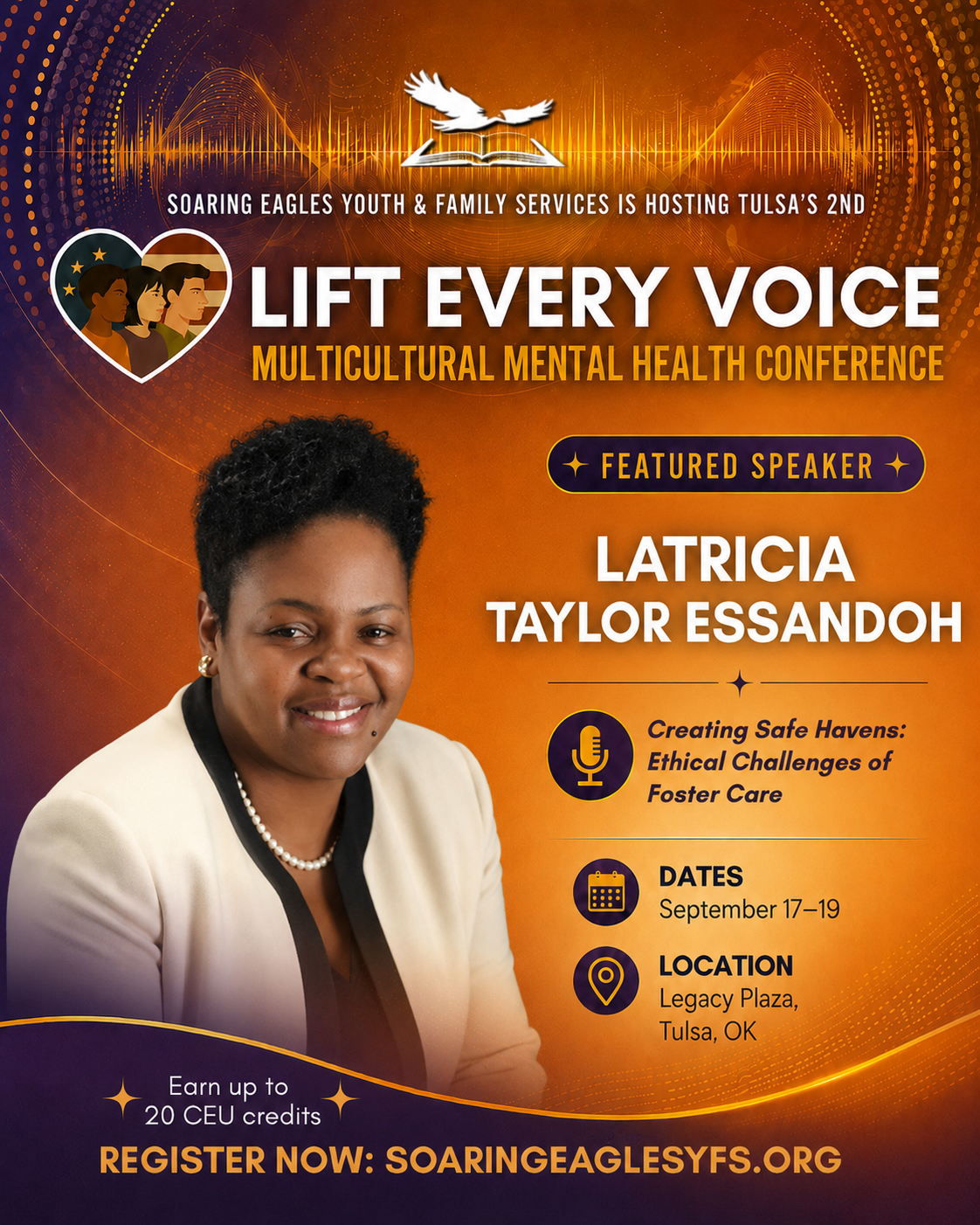
SUICIDE PREVENTION EDUCATION ACROSS CULTURES
LATRICIA TAYLOR ESSANDOH
This workshop offers a forum for participants to discuss and share stories about suicide loss, resilience, awareness, and culturally informed prevention. Attendees can contribute personal and community experiences to enhance understanding. The facilitator will provide domestic and global suicide statistics to highlight community-specific challenges and stress the need for culturally sensitive prevention strategies. The facilitator will share tailored suicide prevention resources and lead role-play exercises to develop cultural awareness and practical intervention skills.
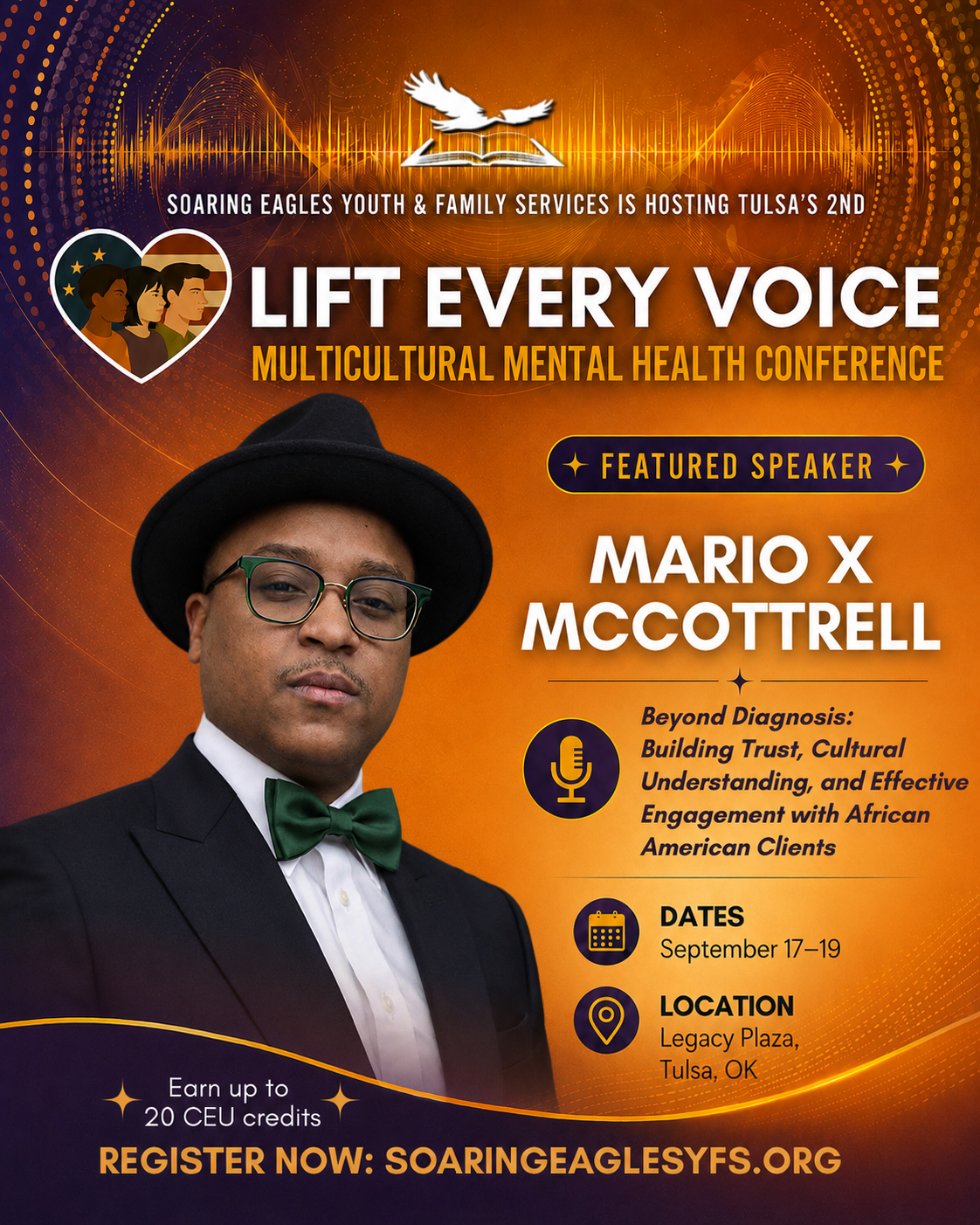
BEYOND DIAGNOSIS: BUILDING TRUST, CULTURAL UNDERSTANDING, AND EFFECTIVE ENGAGEMENT WITH AFRICAN AMERICAN CLIENTS
MARIO MCCOTTRELL
This presentation explores practical and culturally responsive approaches to working effectively with African American clients across mental health settings, including correctional environments, community agencies, outpatient counseling, and inpatient treatment settings. Drawing from years of experience in correctional mental health, crisis intervention, leadership, and community engagement, this session will examine the impact of historical mistrust, trauma, systemic inequities, masculinity, spirituality, family dynamics, and cultural communication styles on treatment engagement and therapeutic outcomes.
Attendees will gain insight into how African American clients may present differently in clinical settings, how culture influences help-seeking behaviors, and how clinicians can strengthen rapport, reduce resistance, and improve treatment effectiveness through culturally informed practice. Special attention will be given to working with Black men, justice-involved individuals, and clients who may be hesitant or distrustful of mental health systems.
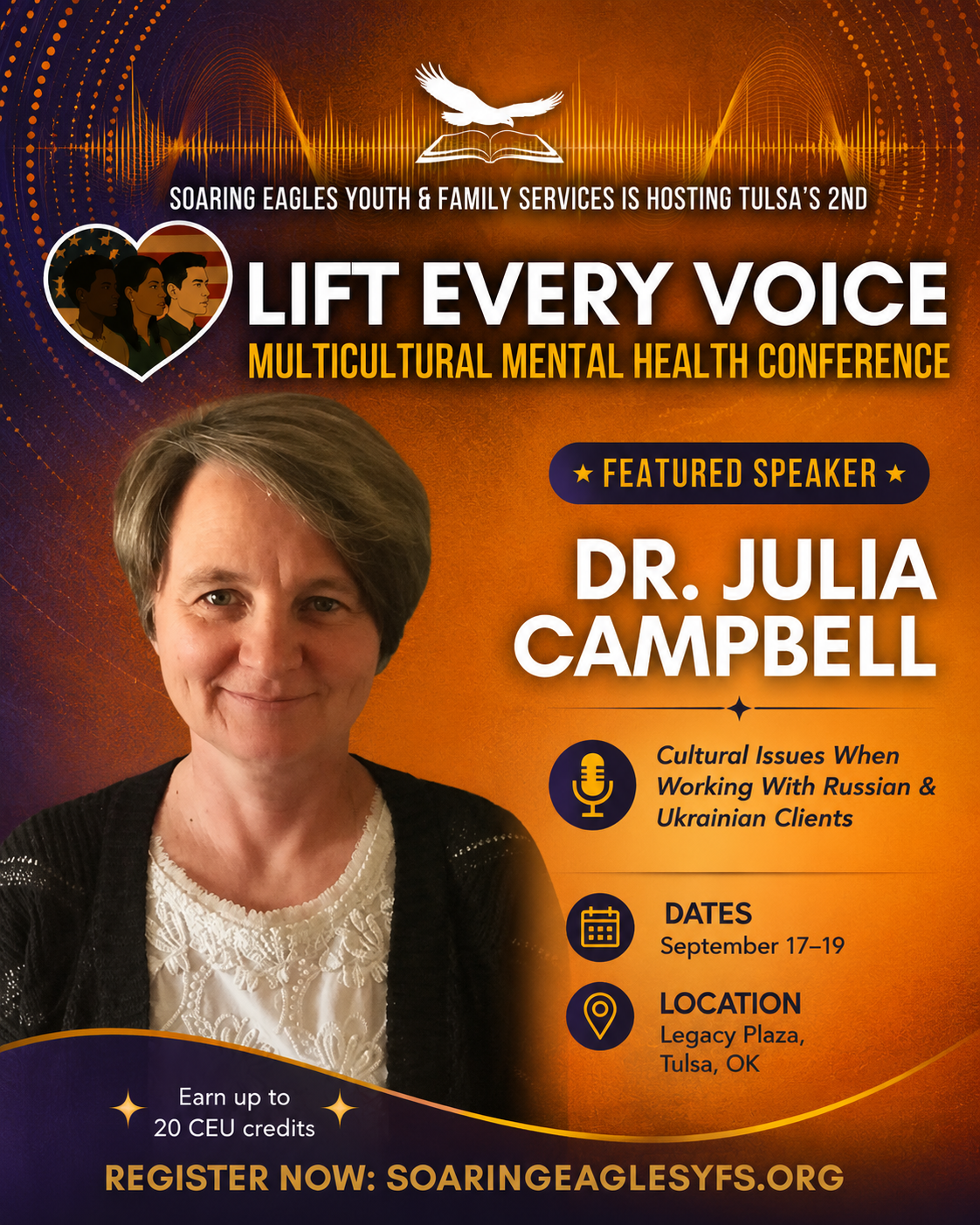
CULTURAL ISSUES WHEN WORKING WITH RUSSIAN & UKRANIAN CLIENTS
DR. JULIA CAMPBELL
This presentation is designed to help mental health practitioners better navigate a therapeutic relationship with clients from Russia and Ukraine. It will be discussed how three years of the Russian invasion of Ukraine changed the dynamics between people of the two nations and what effects these changes might have on the counseling process.
The presentation will address cultural similarities and differences between Russian and Ukrainian clients and how they are moderated by the client’s age, education, place of birth and degree of acculturation.
We will talk about history of Russia and Ukraine in terms of its influence on clients’ experiences and belief systems.
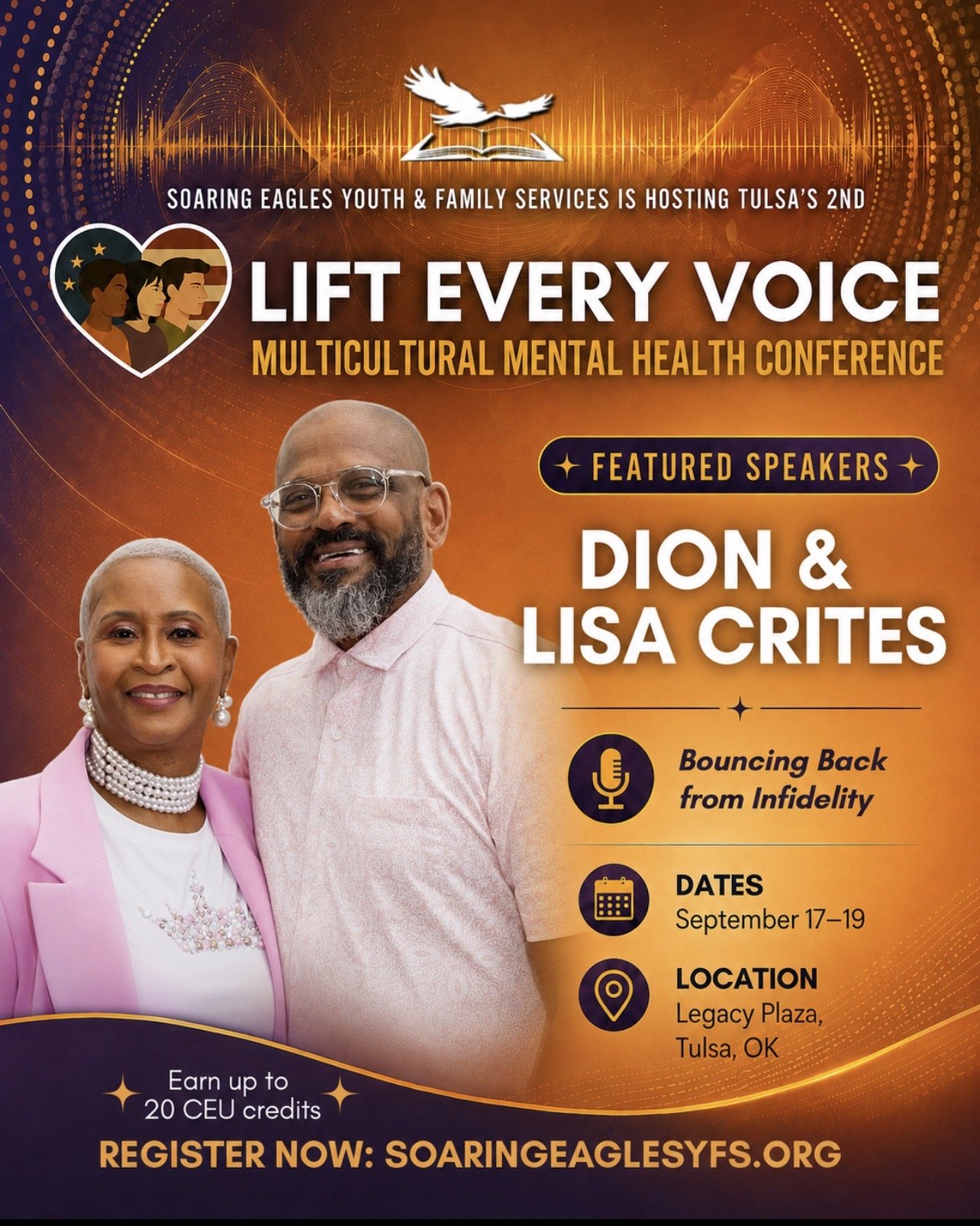
BOUNCING BACK FROM INFIDELITY
DION AND LISA CRITES
In this workshop, Dion and Lisa Crites will share their personal journey of healing and restoration after infidelity. They will openly discuss how God met them in a difficult season, how family history and past experiences—particularly Dion’s relationship and history with his father—shaped their marriage, and the steps they took to work through the pain.
Through honest conversation, biblical principles, forgiveness, communication, accountability, and intentional rebuilding of trust, they will share what helped them move from brokenness toward healing and a stronger marriage. Their story offers hope to couples who may be navigating the aftermath of infidelity and reminds them that, with God, restoration is possible.
Hotel Information
Conference attendees can reserve rooms at Hilton Garden Inn Tulsa Midtown located at 4518 E. Skelly Drive in Tulsa.
Rates:
King Standard $120/night
Queen Double $120/night
(plus applicable taxes)
Group rate ends August 27, 2026.
BOOK BY PHONE
For guests who prefer to book via telephone, they can call the hotel at 918-878-7777 and ask the reservations agent for the Lift Every Voice group rate (Code: LIFT).
BOOK ONLINE
For attendees who prefer to book online, they can use this link to be taken directly to our dates and discounted rate: